
Bigger and Mary: Misrecognition
Native SonThis thread traces the emotional and social misrecognition between Bigger Thomas and Mary Dalton, whose brief encounters end in death and a public myth.
increasing Bearing strength in each event
 decreasing
Bearing strength in each eventdecreasingA Screen-Born Fantasy
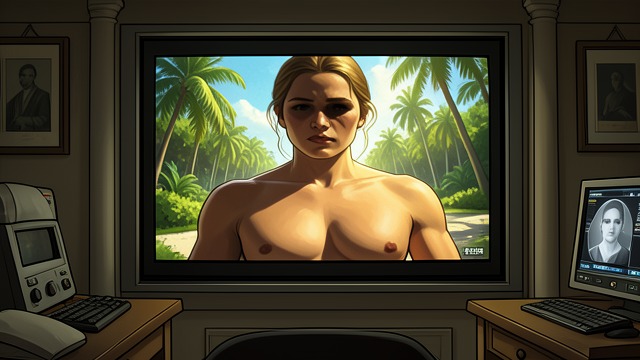
Mary as an Image
A distant figure
Bigger first sees Mary in a newsreel as a wealthy young woman in Florida. He imagines that the job may bring him close to money, glamour, and possibilities he has seen only on screens.
Fantasy precedes contact
The image lets Bigger invent a version of Mary without knowing her. That imagined figure complicates their first meeting because he has already attached desire and resentment to her social position.
An Unwanted Question
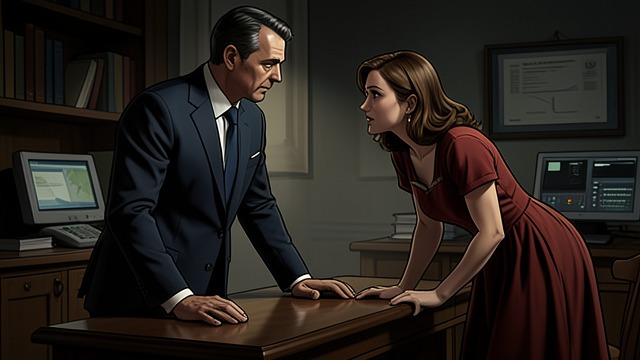
A Job Interview Interrupted
Mary asks about unions
Mary questions Bigger about labor unions and calls Henry Dalton a capitalist. Bigger worries that the discussion may cost him the job he needs.
Curiosity feels like danger
Mary may intend to treat him as an equal, but Bigger cannot read her intentions safely. Her casual boldness collides with the rules of deference that have governed his encounters with white employers.
Kindness Misread as Exposure
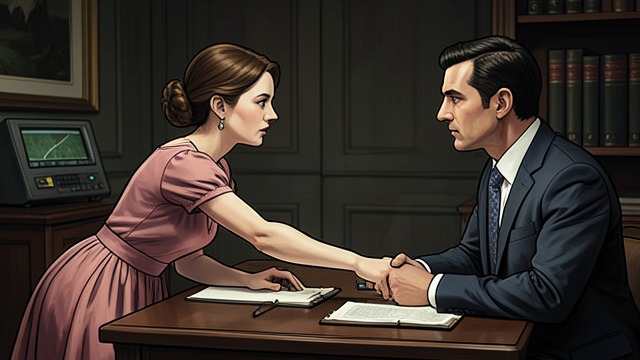
A Gap Neither Can Cross
Mary reaches toward Bigger
Mary asks about Black life, invites him into the restaurant, and tells him that she and Jan are on his side. She wants contact beyond the limited relationship of employer and chauffeur.
Bigger feels watched
Bigger experiences her questions as making him visible in a way he cannot control. He fears being judged by both white people and his own community, while Mary mistakes openness for a shared social ground.
The Fatal Room
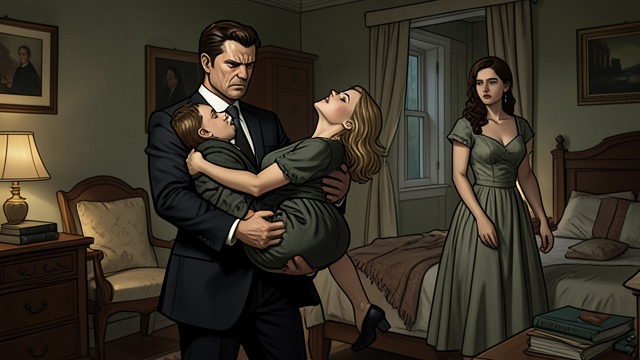
Fear Replaces Recognition
A moment of vulnerability
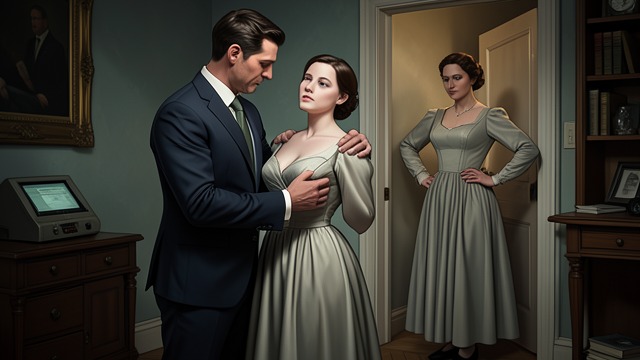
Bigger carries an intoxicated Mary to her room and is physically aroused as he helps her. Mrs. Dalton enters, making him fear discovery and punishment.
A relationship ends in violence
Bigger’s panic prevents him from seeing Mary as an individual separate from the racial danger he associates with her. He kills her while trying to silence her, turning an encounter of confusion into an irreversible act.
The Public Myth of Rape
Fear Becomes Public Certainty
A crime rewritten
Officials and newspapers describe Bigger as a rapist despite his denial and the uncertain evidence about what occurred in the room. The imagined sexual crime becomes a central instrument of public outrage.
Private complexity erased
The public story replaces the confused, fatal encounter with a simple image of Black male predation. The myth helps justify the crowd’s violence and makes Bigger’s actual experience difficult to communicate.
Before Bigger enters the Dalton household
At Bigger’s first meeting with Mary in Henry Dalton’s study
During the drive and meal with Mary and Jan
Early Sunday morning in Mary’s bedroom
From Bigger’s capture through the trial
